These Signs Mean Your Transmission Fluid Is Leaking, According to Our Lakeland Mechanics
Gibbons Auto Service • September 16, 2022

Transmission fluid leaks can cause serious damage to a car. Fortunately, identifying a leak is easy. The most common indications of a transmission fluid leak are listed below. When you suspect a transmission leak, bring your vehicle to Gibbons Auto Service in Lakeland, FL.

Check the Dipstick First

Start by checking the dipstick if you think there might be a transmission fluid leak. To do this, take out the dipstick, wipe the fluid with a rag or paper towel, insert the dipstick once again, and take it out once more. To avoid overfilling the reservoir and risking the fluid overheating, top up the fluid only if it is low. After a week or so, check the fluid levels again to see if they have dramatically decreased.

Check for Spots

If you have a transmission fluid leak, there will be evidence under your car. Look for dark spots of liquid on the ground where your vehicle is parked; the color of the liquid will determine its health and can range from a light pink to a dark reddish brown. If transmission fluid is not the culprit, there may be an oil or another type of fluid leak.

Listen for Strange Noises

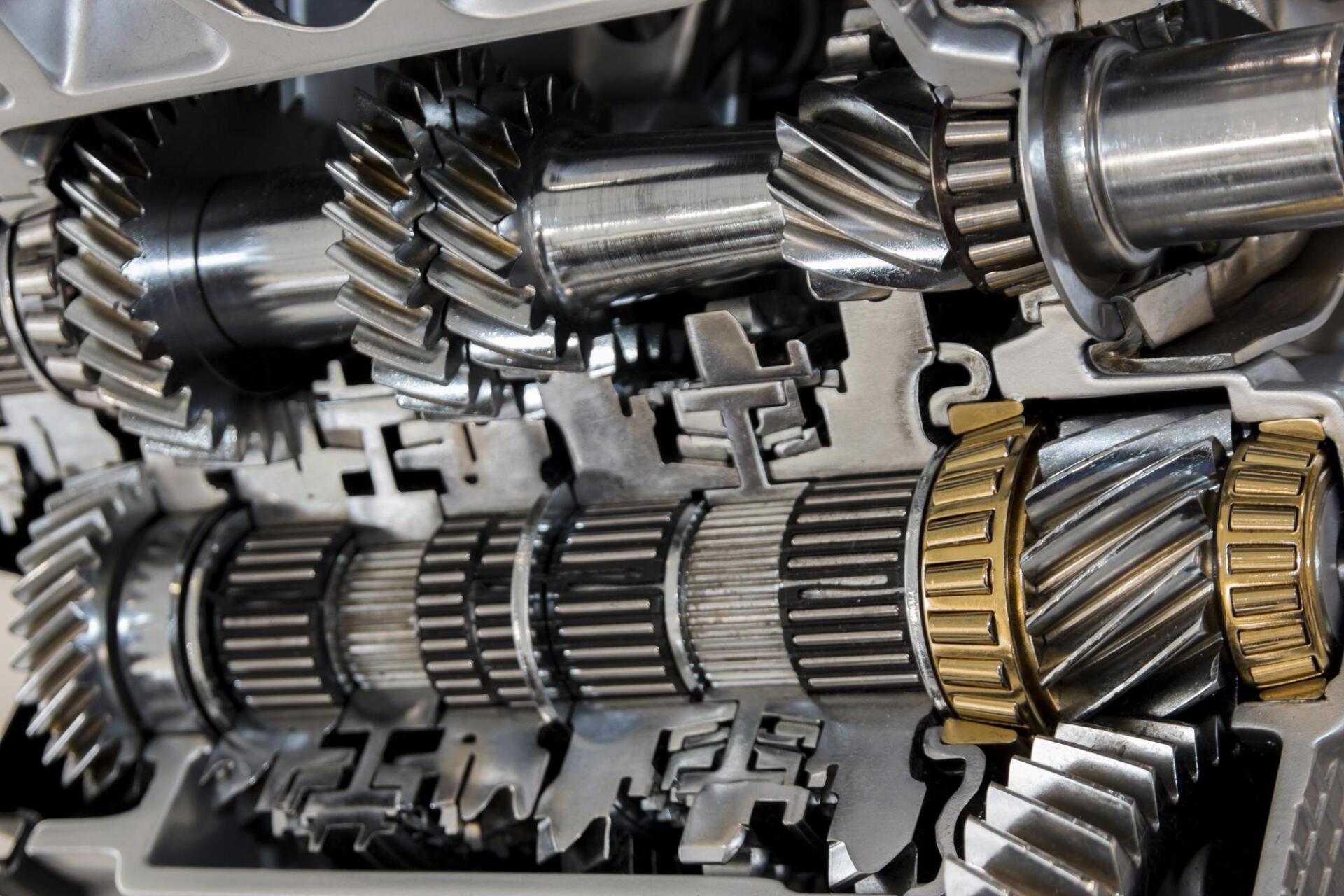
Noises like grinding or clunking that occur out of nowhere are other indications of low transmission fluid. Transmissions require fluid to shift smoothly; when the fluid level is low, the gears begin to grind or clunk. When you hear these noises, take your car to the shop as soon as you can.

Transmission Repair in Lakeland

Gibbons Auto Service provides professional automatic transmission repair, manual transmission repair, CVT transmission repair, and transmission replacement services for all makes and models. Common signs your car needs to visit our local transmission shop include slipping gears, grinding noises while shifting, delayed gear shifts, or a transmission fluid leak. Following initial transmission diagnostics, we can provide a detailed estimate for transmission repair costs, as well as associated services such as clutch repair, transaxle repair, and CV joint repair. For transmission repair in Lakeland, FL, or the surrounding areas, call us at (863) 900-8363 .


By Gibbons Auto Service • October 5, 2026
The suspension includes components such as shocks, struts, springs, control arms, and other parts that work together. When these components begin to wear out or become damaged, your vehicle may develop noticeable handling and ride-quality problems. Recognizing the warning signs of suspension trouble can help you have repairs performed before the problem becomes more serious. At Gibbons Auto Service, we provide expert suspension repair in the greater Lakeland, FL area. Here’s a look at four warning signs that your suspension may need repair. Excessive Bouncing After Bumps If your vehicle continues bouncing several times after driving over a bump, worn shocks or struts could be responsible. These components help control the movement of the suspension after it encounters uneven pavement. Excessive bouncing can make the vehicle uncomfortable to drive and may affect how well the tires maintain contact with the road. Have the suspension inspected if your vehicle feels unusually bouncy. Uneven Tire Wear Suspension problems can sometimes cause your tires to wear unevenly. A damaged or worn suspension component may affect wheel alignment or change how a tire contacts the road. Look for areas of tread that appear significantly more worn than others. Uneven tire wear can also have other causes, so a professional inspection can help determine whether suspension components are contributing to the problem. Excessive Leaning or Sagging If your vehicle leans noticeably when turning or appears to sit lower on one side, there may be a problem with the suspension. Worn springs or other issues can affect how the vehicle supports its weight. A vehicle that leans excessively during turns may also feel less stable, making this a warning sign that should not be ignored. Unusual Suspension Noises Clunking, knocking, squeaking, or other unusual sounds coming from the suspension area can indicate worn or damaged components. These noises may occur when driving over bumps, turning, or braking. Because multiple suspension parts can produce similar sounds, diagnosing the exact source requires a thorough inspection by an experienced technician. Suspension Repair in Lakeland, FL For expert auto repair in Lakeland, FL and the surrounding area, contact Gibbons Auto Service at  863-900-8363  . Feel free to give us a call to schedule an appointment for car care in greater Lakeland, FL!
By Gibbons Auto Service • September 8, 2026
Brake components experience significant friction and wear during normal driving, so they periodically require inspection, maintenance, or replacement. Recognizing warning signs early can help you address developing problems before they dangerously compromise braking performance. At Gibbons Auto Service, we provide expert brake repair in the greater Lakeland, FL area. Here are five common signs of brake trouble. Squealing or Grinding Sounds Unusual noises when braking are often an early warning sign of trouble. High-pitched squealing can occur when brake pads are becoming worn, while grinding may indicate that pads have completely worn out and metal components are contacting each other. Grinding should be taken especially seriously because continued driving can damage rotors. Have unusual brake noises inspected promptly. A Soft Brake Pedal Your brake pedal should provide consistent resistance when you press it. If the pedal suddenly feels soft, spongy, or unusually low, there may be a problem with the hydraulic braking system. Air or moisture in the brake lines or a fluid leak could affect pedal feel. A brake fluid leak poses a major safety risk and means it’ll be safest to get towed to the shop. Vehicle Pulling While Braking If your vehicle pulls noticeably to one side when you apply the brakes, it may indicate uneven braking force. This may indicate a sticking caliper. A vehicle that pulls during braking can be much more difficult to control, particularly during emergency stops. This makes it an urgent repair. Vibrations When Stopping Vibrations during braking can indicate warped brake rotors. When rotors are warped, there is uneven contact with brake pads. The mechanic can determine if the rotors need to be replaced to restore smooth braking. Brake Warning Light If your brake warning light flashes on, you shouldn’t ignore it. This could indicate issues related to sensors or fluid or something else. Illuminated dashboard warning lights should be promptly diagnosed. Brake Repair in Lakeland, FL For expert auto repair in Lakeland and the surrounding area, contact Gibbons Auto Service at  863-900-8363  . Feel free to give us a call to schedule an appointment for car care in greater Lakeland!
By Gibbons Auto Service • August 8, 2026
A road trip should be about enjoying the journey—not worrying about breakdowns. Before you head out on a long drive, it's a smart idea to have your vehicle inspected by a mechanic. Preventive maintenance can uncover developing problems that might otherwise leave you stranded far from home. By addressing potential issues before you hit the road, you'll enjoy greater peace of mind. At Gibbons Auto Service, our local mechanics can help prepare your car for your journey. Here are five ways the mechanic can help prepare your car for your road trip. Oil Change/Fluid Inspection Fresh engine oil helps lubricate moving parts, reduce friction, and prevent excessive engine wear during long hours of driving. Before your trip, the mechanic can change the oil if it's due and inspect other essential fluids, including coolant, transmission fluid, brake fluid, power steering fluid, and windshield washer fluid. Ensuring all fluids are clean and at the proper levels helps your vehicle perform efficiently throughout your journey. Inspect the Braking System Your brakes are one of the most important safety systems on your vehicle, especially when traveling through unfamiliar areas or mountainous terrain. The mechanic can inspect the brake pads, rotors, calipers, brake lines, and brake fluid to ensure everything is functioning properly. Addressing worn brake components before your trip helps maintain dependable stopping power. Check the Cooling System Long highway drives and hot weather place additional demands on your vehicle's cooling system. The mechanic can inspect the radiator, water pump, thermostat, hoses, and coolant level for signs of leaks and wear. Catching cooling system problems early can help prevent overheating, one of the most common causes of roadside breakdowns during summer travel. Test the Battery and Charging System A weak battery or failing alternator can quickly spoil a drive. Before you leave, your mechanic can test the battery's condition, inspect the terminals for corrosion, and verify that the alternator is charging properly. Replacing an aging battery or repairing charging system issues before departure greatly reduces the chances of experiencing a no-start situation during your travels. Inspect Belts and Hoses Belts and hoses play critical roles in keeping your engine running properly. Over time, they can crack, become brittle, or show signs of wear that may not be obvious to the average driver. Replacing worn belts or hoses before they fail can help you avoid breakdowns. Auto Maintenance in Lakeland, FL For expert auto maintenance in Lakeland, FL and the surrounding area, contact Gibbons Auto Service at  863-900-8363  . Feel free to give us a call to make an appointment for car care in greater Lakeland!
By Gibbons Auto Service • July 5, 2026
Your vehicle's alternator plays a critical role in keeping the electrical system functioning properly. While the battery provides the power needed to start the engine, the alternator generates electricity and keeps the battery charged while the vehicle is running. When the alternator begins to fail, a variety of warning signs can appear. Recognizing these symptoms early can help you avoid being stranded and prevent additional electrical problems. At Gibbons Auto Service, we provide expert alternator replacement and auto electric repair in the greater Lakeland, FL area. Here are five common signs of alternator trouble. Battery Warning Light on the Dashboard Many vehicles have a battery-shaped warning light that illuminates when there is a problem with the charging system. While the light may seem to indicate a battery issue, it often points to an alternator that is not charging properly. If this warning light comes on, it’s important to have the charging system inspected promptly. Problems with Lights A rather common symptom of a failing alternator is dim or flickering lights. Headlights, dashboard lights, and interior lights may appear weaker than normal or fluctuate in brightness. This often occurs because the alternator is no longer supplying a consistent amount of electrical power. Difficulty Starting the Vehicle A failing alternator may not provide enough power to keep the battery fully charged. As a result, the battery can become depleted, making the vehicle difficult to start. If your car frequently requires jump-starts, the alternator may be the underlying cause. Electrical Accessories Malfunctioning Modern vehicles rely on numerous electrical components, including power windows, infotainment systems, heated seats, and air conditioning controls. When the alternator struggles to supply sufficient power, these accessories may operate inconsistently or stop working altogether. Unusual Noises Under the Hood A failing alternator may produce grinding, whining, or squealing noises while the engine is running. This could be due to bearing or belt problems. These sounds should never be ignored, as they often indicate internal wear that can lead to complete alternator failure. Alternator Replacement & Auto Electric Repair in Lakeland, FL For expert auto repair in Lakeland, FL and the surrounding area, contact Gibbons Auto Service at  863-900-8363  . Feel free to give us a call to make an appointment for car care in greater Lakeland!
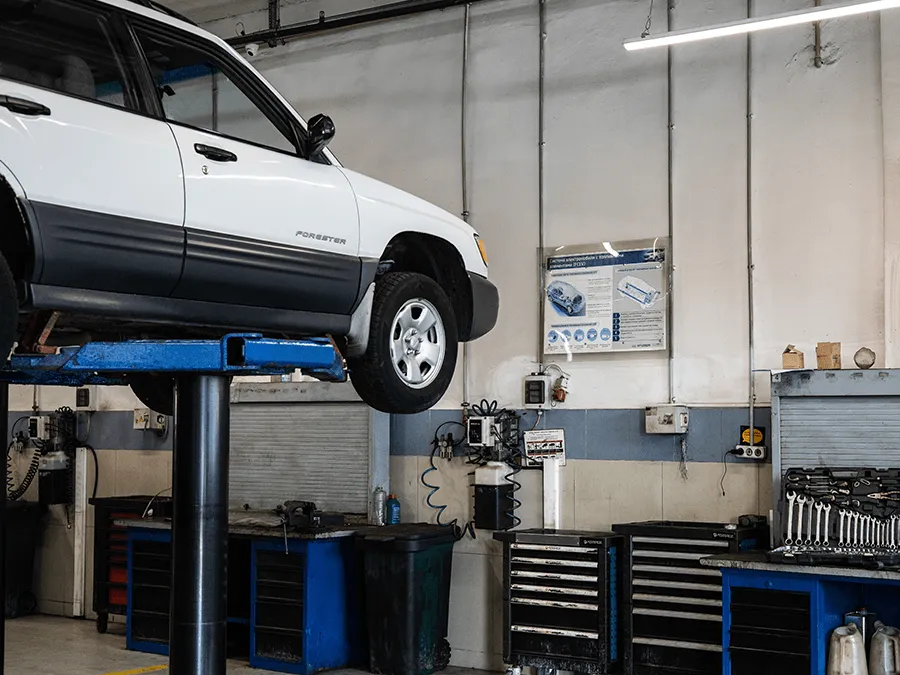
White SUV on a lift in an auto repair shop with blue tool cabinets and equipment рядом
By Gibbons Auto Service • June 6, 2026
Learn the signs your vehicle's shocks need replacement. Ensure safety & comfort with expert suspension repair at Gibbons Auto Service.
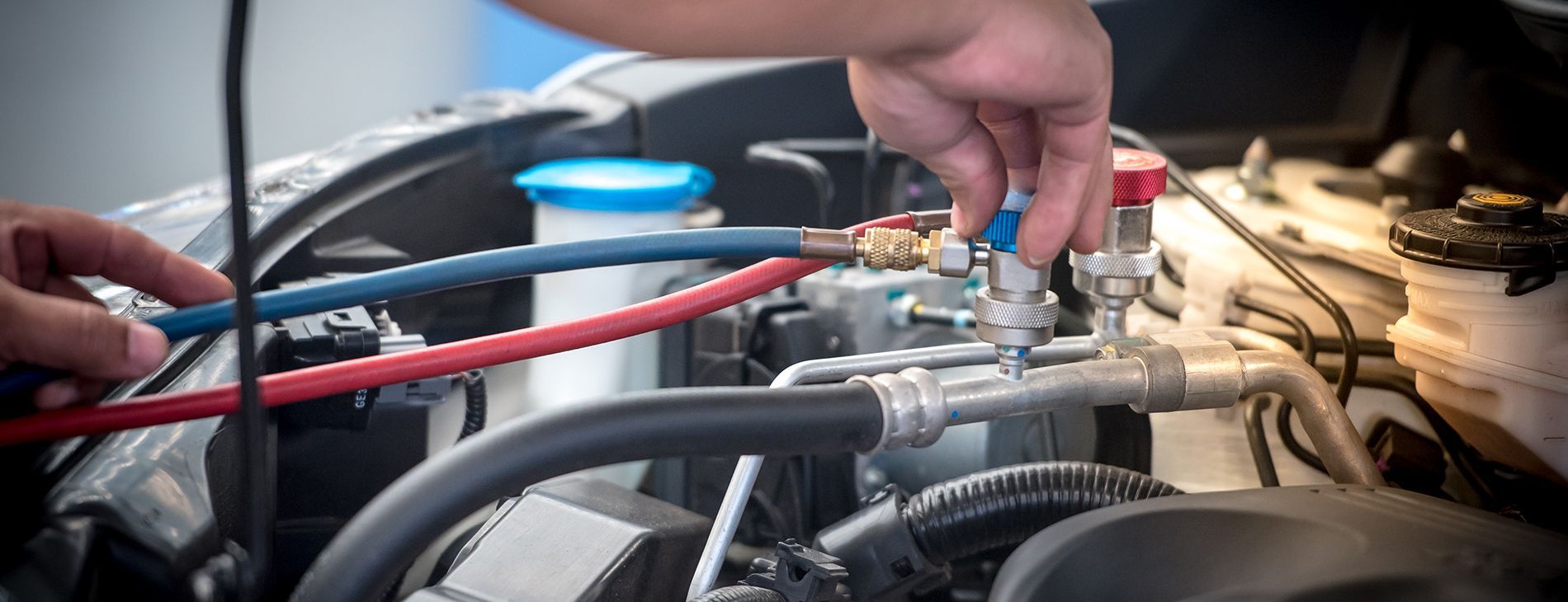
Hands adjusting engine hoses and fittings in a car engine bay
By Gibbons Auto Service • May 6, 2026
Keep your engine safe with expert cooling system repair. Address overheating & leaks today. Schedule your appointment with Gibbons Auto Service!
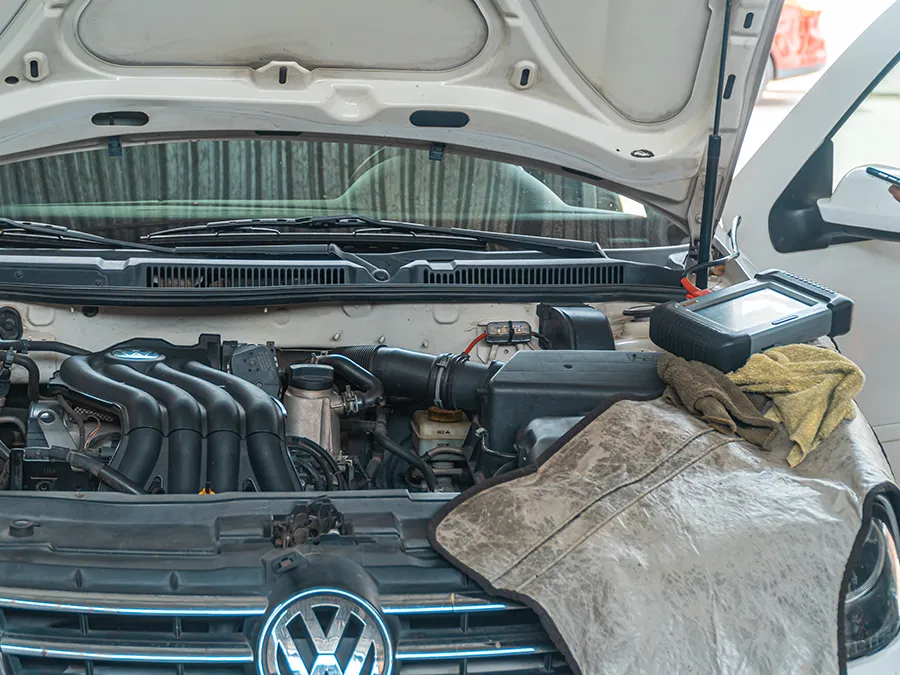
Volkswagen car engine bay open, with a cloth draped over the front grille.
By Gibbons Auto Service • April 5, 2026
Seeing your check engine light come on can be concerning, especially if you’re unsure what caused it. This warning light is part of your vehicle’s onboard diagnostic system, designed to alert you when something isn’t functioning properly. While some issues are minor, others can indicate more serious problems that require immediate attention. At Gibbons Auto Service, we provide expert check engine light diagnostics and repair in the greater Lakeland, FL area. Here are four common check engine light triggers that should be promptly addressed. Oxygen Sensor Malfunction Oxygen sensors monitor the amount of unburned oxygen in your vehicle’s exhaust system and help regulate the air-fuel mixture. When an oxygen sensor fails, it can cause poor fuel-efficiency and reduced engine performance. A faulty oxygen sensor is a common reason for a check engine light and should be addressed promptly to avoid further issues. Faulty Catalytic Converter The catalytic converter is responsible for reducing harmful emissions by converting exhaust gases into less harmful substances. If it becomes clogged or fails, it can lead to decreased engine performance and increased emissions. Because this component is essential for both performance and environmental reasons, it should be addressed as soon as possible. Mass Airflow Sensor Issues The mass airflow (MAF) sensor measures the amount of air entering the engine and helps determine the correct amount of fuel needed for combustion. When the MAF sensor malfunctions, it can lead to poor acceleration, rough idling, and decreased fuel-efficiency. This issue can also cause your engine to stall in some cases. Spark Plug or Ignition Coil Problems Spark plugs and ignition coils are responsible for igniting the air-fuel mixture in your engine. When these components wear out or fail, your engine may misfire, and you may notice rough performance, reduced power, and poor fuel-economy. Ignition-related issues are a common cause of a check engine light and should be addressed quickly to prevent further engine trouble. Check Engine Light Repair in Lakeland, FL For expert check engine light diagnostics and repair in Lakeland, FL and the surrounding area, contact Gibbons Auto Service at  863-900-8363  . Feel free to give us a call to make an appointment!
White SUV on a blue car lift inside a garage, tools and equipment visible.
By Gibbons Auto Service • March 7, 2026
A healthy fuel system is essential for efficient engine performance, as it delivers the proper amount of fuel to keep your engine running smoothly. Problems in the fuel system can lead to poor performance, decreased fuel-efficiency, or even prevent your car from starting. Because the fuel system includes multiple components, it can sometimes be confusing for drivers to identify issues or understand the repair process. At Gibbons Auto Service, we’re happy to answer your questions about fuel system repair in the greater Lakeland, FL area. What Components Are Part of the Fuel System? A vehicle’s fuel system is made up of several key parts that work together to deliver fuel from the tank to the engine. The system typically includes the fuel pump, fuel filter, fuel injectors, fuel lines, and the fuel tank. Modern vehicles also rely on sensors and electronic controls to regulate fuel flow. Any malfunction in these components can affect engine performance, fuel-efficiency, or emissions, making proper maintenance and repair crucial. What Are the Common Signs of Fuel System Problems? Fuel system issues often show up as noticeable changes in how your vehicle runs. You may experience difficulty starting the engine, hesitation during acceleration, rough idling, or misfires. A drop in fuel-efficiency can also signal problems. In some cases, the check engine light will illuminate if sensors detect issues with fuel delivery or air-fuel mixture. What Is Involved in Fuel System Repair? Repairing a fuel system begins with a diagnostic inspection to determine the root cause of the problem. Technicians may check fuel pressure, inspect filters, and scan the vehicle’s computer for error codes. Depending on the issue, repairs may include replacing the fuel pump, cleaning or replacing fuel injectors, changing the fuel filter, or fixing damaged fuel lines. Once repairs are complete, the system is tested to confirm proper fuel delivery and engine performance. How Can I Prevent Fuel System Issues? Routine maintenance is key to preventing fuel system problems. Regularly replacing the fuel filter according to the manufacturer’s schedule helps keep fuel flowing smoothly. Periodic fuel system cleaning can also remove buildup that affects performance. With proper care, your fuel system can operate efficiently for many years. Where Can I Get Fuel System Repair in Lakeland, FL? For expert fuel system repair in Lakeland, FL and the surrounding area, contact Gibbons Auto Service at  863-900-8363  . Feel free to give us a call to schedule an appointment for car care in greater Lakeland, FL !
White Ford Mustang parked on asphalt at sunset.
By Gibbons Auto Service • February 5, 2026
A healthy suspension system is essential for providing a smooth, stable, and safe ride. It absorbs shocks from bumps and potholes, keeps tires in contact with the road, and enables proper handling. When suspension components wear out, it can affect driving comfort and safety. Many drivers have questions about suspension repair, including how to recognize issues. At Gibbons Auto Service, we’re happy to answer your questions about suspension repair in the greater Lakeland, FL area. What Are the Signs That Suspension Needs Repair? Suspension problems often show noticeable warning signs. Drivers may experience a bouncy or rough ride, excessive swaying during turns, or uneven tire wear. Other symptoms include pulling to one side, unusual noises like clunking or squeaking, and steering that feels loose or unresponsive. Recognizing these signs early can prevent further damage and improve safety on the road. Which Components Are Usually Repaired or Replaced? A vehicle’s suspension system consists of several parts, including shock absorbers, struts, springs, control arms, and bushings. When issues arise, technicians may replace worn shocks or struts or replace damaged bushings. The specific repairs depend on the type of suspension and the extent of wear, but addressing worn components promptly helps maintain ride quality and vehicle handling. Is Suspension Repair Expensive? The cost of suspension repair varies based on the parts being replaced and the complexity of the system. Replacing shocks or struts is typically less expensive than a full suspension overhaul. While repairs can be a significant investment, they are necessary for safety and can prevent more costly damage to tires, alignment, and other vehicle systems if addressed promptly. Can Driving With a Bad Suspension Be Dangerous? Yes, a damaged suspension system can compromise safety. Worn components affect braking, steering, and overall vehicle stability, especially during emergency maneuvers. Ignoring suspension problems can also cause premature tire wear and additional strain on other parts of the vehicle. Timely repairs help ensure your vehicle handles properly, maintains traction, and provides a comfortable ride. Where Can I Get Expert Suspension Repair in Lakeland, FL? For expert suspension repair in Lakeland, FL and the surrounding area, contact Gibbons Auto Service at  863-900-8363  . Feel free to give us a call to make an appointment for car care in greater Lakeland!
Red Chevy Camaro with black stripes driving on a road next to a grassy hill.
By Gibbons Auto Service • January 4, 2026
Staying on top of your car’s oil change schedule is one of the simplest yet most important responsibilities of vehicle ownership. Engine oil plays a critical role in keeping internal components lubricated, cool, and clean. When oil changes are delayed, performance and reliability can quickly suffer. Following the recommended schedule helps protect your engine and avoid costly problems down the road. At Gibbons Auto Service, we provide full-service oil changes in the greater Lakeland, FL area. Here are five reasons to always follow your oil change schedule. Prevents Excessive Engine Wear Engine oil creates a protective layer between moving metal parts, reducing friction during operation. Over time, oil breaks down and becomes contaminated with dirt and debris. When old oil circulates through the engine, it loses its ability to protect components, leading to increased wear. Regular oil changes help ensure fresh oil is always available to shield critical engine parts from damage. Decreases the Risk of Overheating In addition to lubrication, engine oil helps regulate engine temperature by absorbing and dispersing heat. When oil becomes dirty or degraded, it cannot manage heat effectively. This allows temperatures to rise, increasing the risk of overheating and potential engine failure. Consistent oil changes help maintain proper cooling. Improves Engine Performance and Efficiency Clean oil allows the engine to operate smoothly and efficiently. When oil thickens or turns sludgy, the engine must work harder to circulate it, which can reduce fuel-economy and responsiveness. Fresh oil improves overall performance, leading to smoother acceleration and better gas mileage. Prevents Harmful Sludge Buildup As oil ages, it can break down into sludge that clogs oil passages and restricts flow. Sludge buildup starves engine components of lubrication and increases the risk of serious mechanical issues. Following your oil change schedule helps flush out contaminants before sludge forms, keeping internal systems clean and functioning properly. Helps Maintain Resale Value A well-documented maintenance history is a major advantage when selling or trading in your vehicle. Buyers are more confident in vehicles that show consistent oil changes, as it indicates proper care and reduced risk of engine problems. Full-Service Oil Change in Lakeland, FL For expert auto maintenance in Lakeland, FL and the surrounding area, contact Gibbons Auto Service at  863-900-8363  . Feel free to give us a call to make an appointment for car care in greater Lakeland!
Show More